Nanobody Discovery for Membrane Protein Targets

Membrane proteins represent one of the most important classes of therapeutic targets, including GPCRs, ion channels, transporters, receptor tyrosine kinases, and immune checkpoint molecules. Despite their biological significance, membrane proteins remain among the most challenging targets for antibody discovery.


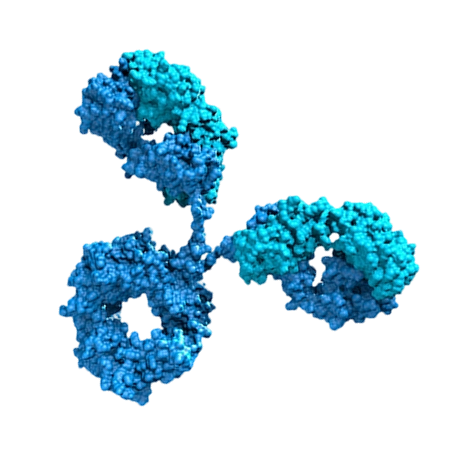
Nanobodies are particularly well suited for membrane protein targeting due to their small size, excellent stability, and ability to recognize conformational or cryptic epitopes that may be inaccessible to conventional antibodies.

QUICK LINKS:
Request a Quote
First Name*
Last Name*
E-mail*
Company/institution*
Contact Us
No. 99 Haiwang Road, Chengdu, Sichuan, China
+86 400 8677 715
Nanobody Discovery for Membrane Protein Targets

Low expression levels, structural instability after purification, poor solubility, and difficulty maintaining native conformations often limit the effectiveness of conventional discovery approaches. These challenges are especially pronounced for multi-pass transmembrane proteins and conformationally sensitive targets.


To improve discovery success against difficult membrane targets, our platform integrates native-conformation immunization strategies, membrane mimetic technologies, cell-based screening, and multiple display platforms to enable efficient identification of high-quality membrane protein binders.

Advantages of Our Membrane Protein Discovery

Native-Conformation Immunization Strategies

We support multiple antigen presentation approaches to preserve membrane protein structure during immunization, including:

Cell-based immunization

Virus-like particles (VLPs)

LNP-mRNA immunization

Viral vector-based expression

Membrane mimetic systems  

These strategies help maintain physiologically relevant conformations for difficult membrane targets.


Cell-Based Screening

Phage display screening can be performed directly against target-expressing cells to enrich binders recognizing native membrane protein conformations.


Quantitative Yeast Display Screening

FACS-based yeast display screening supports affinity- and specificity-driven enrichment under tightly controlled selection conditions.


Flexible Discovery Routes

Immunization-Based Discovery

Recommended for:

Therapeutic discovery programs

Difficult membrane protein targets

High-affinity binder generation

Workflow:
Camelid immunization → Immune library construction → Screening & Monoclonal selection → Candidate validation


Premade Library Screening

Recommended for:

Rapid target validation

Early-stage exploratory studies

Fast binder identification

Workflow:
Premade library screening → Screening & Monoclonal selection → Candidate validation

Challenging Membrane Protein Targets We Support

GPCRs

Ion channels

Transporters

Receptor tyrosine kinases

Viral envelope proteins

Cell-surface receptors

Deliverables

Clients will receive:

Membrane protein-binding nanobody sequences

Candidate binder analysis report

Expression-ready constructs (optional)

Binding validation data (optional)

Comprehensive project report


Optional downstream services:

Nanobody humanization

Affinity maturation

Typical Project Timeline

Option 1 — Immunization-Based Discovery

Stage

Deliverables

Timeline

Immunization

Serum titer report

8 weeks

Library construction

Immune phage or yeast display library

3–4 weeks

Library screening

Enriched binder sequences and screening report

4-6 weeks

Optional candidate production

Purified VHH and expression-ready constructs

2–3 weeks

Optional validation

Binding and functional assay data

2–4 weeks


Typical total timeline:

Approximately 15-18 weeks depending on project complexity and screening strategy.


Option 2 — Premade Library Screening

Stage

Deliverables

Timeline

Library screening

Enriched CAR-oriented binder sequences

4-6 weeks

Optional candidate production

Purified VHH or expression-ready constructs

2–3 weeks

Optional validation

Binding and functional assay data

2–4 weeks


Typical total timeline:

Approximately 4–13 weeks depending on validation requirements.

Why Choose NBbiolab for Membrane Target Nanobody Screening?

Membrane target nanobody screening requires a discovery strategy that accounts for target accessibility, native protein conformation, antigen presentation, and screening specificity. NBbiolab combines customized immunization strategies, cell-based phage display screening, quantitative yeast display technologies, and downstream candidate evaluation to support nanobody discovery against challenging membrane proteins.

Native-Conformation Antigen Presentation

Maintaining relevant membrane protein structures is essential when screening for nanobodies that recognize native cell-surface epitopes. Depending on target characteristics, we support cell-based immunization, virus-like particles (VLPs), LNP-mRNA, viral vector-based expression, and membrane mimetic systems.

These approaches provide alternative antigen presentation strategies for targets that are difficult to express, purify, or maintain in their native conformation.

Cell-Based Phage Display Screening

For membrane proteins whose native structures are difficult to reproduce using purified recombinant antigens, cell-based phage display screening provides an alternative selection approach. Target-expressing cells can present membrane proteins in a more physiologically relevant environment, helping enrich nanobody candidates that recognize accessible cell-surface epitopes.

Positive selection against target-expressing cells can be combined with counter-selection against negative or related target-expressing cells to improve screening specificity.

Quantitative Yeast Display Screening

Yeast surface display supports quantitative evaluation of VHH binding using fluorescence-activated cell sorting (FACS). It is particularly useful for screening against suitable purified recombinant antigens, comparing binding signals, and performing affinity-focused selection under controlled experimental conditions.

The yeast display platform also supports downstream affinity maturation and quantitative candidate optimization when suitable antigen formats are available.

Flexible Discovery Strategies

Different membrane targets require different discovery approaches. NBbiolab offers immunization-based discovery and premade library screening options, with platform selection determined by antigen availability, target complexity, project objectives, and desired binder characteristics.

Integrated Candidate Characterization

Identified VHH candidates can proceed to sequence analysis, recombinant expression, cell-based binding evaluation, and other project-dependent validation studies. This helps researchers compare candidate properties before selecting sequences for subsequent development.

Membrane Target Nanobody Screening: Platform Selection and Strategy

Choosing the right screening platform is an important step in membrane target nanobody screening. Membrane proteins differ considerably in their structural complexity, extracellular domain accessibility, expression levels, and stability outside the cell membrane. Therefore, screening methods should be selected according to the target's biological characteristics and the intended application.

Screening Platform Suitable Antigen Format Main Screening Advantages Typical Applications
Phage Display Recombinant proteins, peptides, and target-expressing cells Large-scale library enrichment and flexible antigen presentation Initial binder discovery against native membrane and cell-surface targets
Yeast Display Suitable purified recombinant proteins and well-characterized antigens Quantitative FACS-based binding evaluation and affinity-driven selection Affinity optimization and quantitative VHH selection

For challenging membrane proteins that require native cell-surface recognition, cell-based phage display screening is generally a suitable starting approach. Yeast display can provide complementary quantitative selection when an appropriate recombinant antigen format is available.

Learn more about our Phage Display Nanobody Discovery Service and Yeast Display VHH Discovery Service to understand the differences between these screening platforms.

Screening Strategies for Different Membrane Target Classes

A universal screening protocol is not suitable for every membrane protein. Target structure, membrane topology, extracellular epitope accessibility, and expression characteristics should all be considered when designing a nanobody screening project.

Membrane Target Class Screening Considerations Recommended Evaluation Focus
G Protein-Coupled Receptors (GPCRs) Multiple transmembrane helices, conformational states, and potentially limited extracellular regions. Native-conformation recognition, extracellular epitope accessibility, and target specificity.
Ion Channels Complex membrane topology and conformational changes associated with channel function. Recognition of accessible extracellular regions and target-dependent functional evaluation.
Transporters Multiple membrane-spanning regions and potentially conformation-dependent epitopes. Cell-surface binding, specificity, and recognition of relevant transporter conformations.
Receptor Tyrosine Kinases (RTKs) Extracellular ligand-binding regions and receptor-associated structural features. Extracellular domain recognition, cell binding, and receptor-specific evaluation.
Cell-Surface Tight Junction Proteins Restricted extracellular loops and potential similarity between related protein subtypes. Epitope accessibility and counter-screening against related family members.
Cell-Surface Immune Markers Target distribution across normal and disease-associated cell populations. Target-specific binding, cross-reactivity, and cell-based recognition.
Viral Envelope Proteins Conformational epitopes, glycosylation, and structural differences between antigen formats. Native or relevant conformational epitope recognition and target specificity.

For membrane proteins with closely related subtypes, negative selection against homologous proteins or corresponding cell lines may be incorporated into the screening design. This is particularly useful when the objective is to identify nanobodies that distinguish between structurally related target proteins.

Key Evaluation Criteria for Membrane Target Nanobody Screening

A positive screening signal is only the first step in identifying a useful nanobody candidate. Further evaluation helps determine whether selected VHH sequences demonstrate the binding characteristics and sequence properties required for subsequent research or development.

1. Native Cell-Surface Binding

Candidates should be evaluated for their ability to recognize the target in a relevant cellular context. Cell-based binding assays can help determine whether a nanobody recognizes accessible membrane-associated epitopes rather than only binding an isolated recombinant antigen.

2. Target Specificity and Cross-Reactivity

Specificity evaluation helps distinguish target-dependent binding from non-specific interactions. Depending on the target, counter-screening may include parental cells, target-negative cells, homologous proteins, or related receptor subtypes. Cross-species binding can also be evaluated when required for preclinical research.

3. Binding Affinity and Quantitative Binding Analysis

Binding affinity is an important property for comparing nanobody candidates. Depending on the available assay system, quantitative methods can be used to investigate binding kinetics or apparent cellular binding behavior. Results should be interpreted according to the assay format and experimental conditions.

4. Sequence Diversity and Developability

Sequence analysis helps identify unique VHH candidates and reduce redundant clone selection. Additional sequence-level assessment can consider potential liabilities, aggregation-related features, and other properties relevant to recombinant expression and downstream development.

5. Target-Dependent Functional Evaluation

Some membrane protein discovery projects require additional functional characterization beyond binding. Depending on the target and research objective, this may involve receptor blocking, ligand interaction studies, internalization analysis, or other target-specific assays.

Important: Internalization and functional activity are target-dependent characteristics. Not every membrane protein undergoes significant internalization following nanobody binding. The evaluation strategy should therefore be designed around the biological behavior of the specific target rather than treating internalization as a universal screening requirement.

Information Required for a Membrane Target Nanobody Screening Project

Providing target information and available antigen materials before starting a project helps determine the appropriate discovery route. The following information can support the initial technical assessment and screening strategy design.

Project Information Details to Provide Why It Matters
Target Name Protein name, gene name, UniProt ID, or amino acid sequence. Identifies the membrane target and its biological characteristics.
Target Structure Extracellular domain, transmembrane regions, known epitopes, or available structural information. Helps evaluate antigen accessibility and native-conformation requirements.
Antigen Format Recombinant protein, target-expressing cells, VLPs, or other available antigen formats. Supports selection of an appropriate screening platform.
Target Expression Expression level, available cell lines, and target-positive or target-negative controls. Supports cell-based screening and specificity evaluation.
Target Species Human, mouse, cynomolgus monkey, or other relevant species. Defines cross-species binding requirements.
Research Objective Target recognition, receptor blocking, functional studies, or therapeutic development. Determines the desired candidate properties and validation scope.
Downstream Requirements Recombinant expression, binding validation, affinity maturation, or humanization. Helps define subsequent development activities.

If you do not yet have purified target protein or a suitable antigen format, NBbiolab can also discuss upstream preparation options. Explore our Immunogen Design & Production service for different membrane antigen presentation strategies.

Membrane Target Nanobody Screening Case Studies

Successful membrane target nanobody screening depends on selecting appropriate antigen presentation methods and screening conditions for each target. The following projects demonstrate NBbiolab's experience in developing VHH candidates against challenging cell-surface and membrane-associated proteins.

Case Study 1: Claudin18.2 Nanobody Discovery

Cell-Based Immunization Phage Display Counter-Selection

Claudin18.2 (CLDN18.2) is a membrane-associated tight junction protein that has attracted significant attention as a target in gastric and other solid tumor research. Its extracellular epitope accessibility and structural similarity to other Claudin family members make target-specific binder discovery an important consideration.

NBbiolab developed a cell-based immunization and phage display screening strategy using CLDN18.2-overexpressing cells. One alpaca was immunized over 49 days, followed by immune VHH library construction.

Screening Strategy

  • Cell-based immunization using human CLDN18.2-overexpressing cells.
  • Construction of an immune phage display library with more than 1 × 10⁹ independent clones.
  • Three rounds of cell-based biopanning.
  • Counter-selection against CLDN18.1-overexpressing cells to reduce cross-reactive clones.
  • Positive selection against CLDN18.2-overexpressing cells.
  • Monoclonal screening and recombinant VHH validation.

Project Results

  • 240 clones were picked from the enriched pool.
  • 37 unique VHH sequences were identified.
  • 13 candidates were confirmed to specifically recognize CLDN18.2.
  • Representative candidates demonstrated favorable binding and sequence developability profiles.

This project demonstrates how cell-based antigen presentation and counter-selection against a related protein can support the identification of subtype-specific nanobody candidates.

Download CLDN18.2 Case Study

Case Study 2: CD20 Nanobody Discovery

Cell-Based Immunization Human / Cynomolgus Reactivity Cell-Based Binding Validation

CD20 is a cell-surface membrane protein and an established target in B-cell malignancy research. The project aimed to identify nanobodies capable of recognizing human and cynomolgus CD20 and binding to CD20-positive tumor cells.

One alpaca was immunized with CD20-overexpressing cells over a 49-day program. The immune VHH repertoire was subsequently used to construct a phage display library for target-specific screening.

Screening Strategy

  • Cell-based alpaca immunization using CD20-overexpressing cells.
  • Construction of an immune phage display library with more than 1 × 10⁹ independent clones.
  • Three rounds of cell-based biopanning.
  • Counter-selection followed by positive selection against CD20-expressing cells.
  • Monoclonal clone screening, sequencing, and candidate validation.

Project Results

  • 270 clones were screened.
  • 9 unique VHH sequences were identified.
  • 8 candidates were confirmed as CD20-specific binders.
  • Cell-based binding assays evaluated candidate recognition of human and cynomolgus CD20.
  • Representative candidate BS092-12 demonstrated reported EC50 values of 6.068 nM against human CD20-expressing CHOK1 cells, 3.878 nM against Raji cells, and 5.252 nM against cynomolgus CD20-expressing HEK293 cells.

This case demonstrates the use of cell-based screening and cross-species binding evaluation for identifying membrane target-specific VHH candidates.

Download CD20 Case Study
Scientific note: CD20 does not undergo significant internalization upon antibody binding according to the project report. This case therefore demonstrates cell-surface recognition and cross-species binding evaluation, rather than internalization performance. Different membrane targets require different functional evaluation criteria.

Frequently Asked Questions About Membrane Target Nanobody Screening

1. What is membrane target nanobody screening?

Membrane target nanobody screening is a discovery process designed to identify VHH binders that recognize membrane proteins or cell-surface antigens. Depending on target characteristics, screening may use recombinant membrane protein antigens, target-expressing cells, or other suitable antigen presentation systems. Phage display and yeast display technologies can be selected according to the target format and screening objectives.

2. Why is cell-based screening important for membrane protein nanobody discovery?

Many membrane proteins are difficult to purify while maintaining their native structure and conformational epitopes. Cell-based screening allows target proteins to be presented in a cellular membrane environment, helping identify nanobodies that recognize accessible cell-surface structures. It is particularly useful for challenging multi-pass membrane proteins and targets with conformation-sensitive epitopes.

3. Which display platform is better for membrane target nanobody screening: phage or yeast display?

The choice depends on antigen format and project objectives. Phage display is generally suitable for initial binder enrichment against target-expressing cells and native membrane protein conformations. Yeast display is particularly useful for quantitative FACS-based screening against suitable recombinant protein antigens and for affinity-focused selection. Both platforms can support different stages of a nanobody discovery program.

4. Can nanobodies be discovered against GPCRs, ion channels, and transporters?

Yes. GPCRs, ion channels, and transporters are among the membrane target classes that can be considered for nanobody discovery. Their structural complexity and extracellular epitope accessibility require target-specific antigen preparation and screening strategies. The feasibility of each project depends on target information, antigen availability, and the selected discovery approach.

5. How do you reduce non-specific binding during membrane target nanobody screening?

Screening specificity can be improved through appropriate negative controls, counter-selection against parental or related target-expressing cells, and additional cell-based binding validation. For closely related membrane protein subtypes, counter-screening against homologous targets can help distinguish target-specific candidates from cross-reactive binders.

6. Can you screen nanobodies against native membrane protein conformations?

Yes. Depending on the target, NBbiolab can consider cell-based immunization, target-expressing cell screening, VLPs, LNP-mRNA, viral vector-based expression, and membrane mimetic systems. These approaches help address the structural and antigen presentation challenges associated with difficult membrane proteins.

7. What information should I provide before starting a membrane target nanobody screening project?

Useful information includes the target name, sequence or UniProt ID, target species, available antigen format, target-expressing cell lines, and research objectives. If available, information about target expression, known epitopes, homologous proteins, and downstream validation requirements can also help determine a suitable screening strategy.

8. Can selected membrane-targeting nanobodies undergo affinity maturation or humanization?

Yes. Selected VHH candidates can be considered for further engineering according to project requirements. NBbiolab offers Antibody Affinity Maturation and Nanobody Humanization services to support downstream candidate optimization.


Nanobody Discovery for Membrane Targets

Advantages of Our Membrane Protein Discovery Platform

Multiple membrane protein immunization strategies

Native-conformation screening approaches

Strong expertise in difficult targets

Advanced phage and yeast display technologies

Cell-based validation workflows

Flexible downstream engineering support

Case Study

Claudin18.2
DOWNLOAD
See Our Wide Array of NANOBODY Services
Immunogen Design & Production
Camelid Immunization
Phage Display Nanobody Discovery
Functional Characterization
Yeast Display Nanobody Discovery
Premade Library Screening
Yeast Display Peptide Library Screening
Nanobody Discovery for ADC Development
Yeast Display Nanobody Discovery
Premade Library Screening
Yeast Display Peptide Library Screening
Nanobody Discovery for ADC Development
Related Services
Request a Quote