When to Collect PBMCs for High-Quality VHH Libraries means selecting the blood-sampling time when immunized camelids contain enough antigen-specific B cells and the isolated peripheral blood mononuclear cells (PBMCs) remain viable and suitable for RNA extraction. In practice, PBMC collection is usually planned around booster immunizations, often within approximately 7–14 days after a booster, while monitoring antigen-specific antibody titers and animal-specific immune kinetics. Correct timing improves VHH sequence diversity, reduces screening costs, and increases the commercial value of a nanobody discovery program. 阿帕克 can support project teams with Camelid Animal Immunization, PBMC processing, VHH library construction, and downstream screening workflows.
Why PBMC Timing Matters in VHH Library Construction
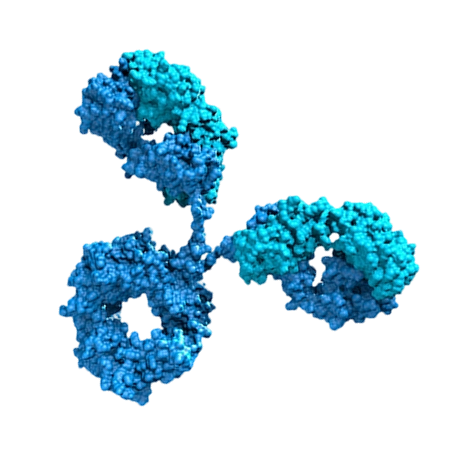
VHHs are the antigen-binding domains of camelid heavy-chain-only antibodies. They are commonly called nanobodies because their compact structure, high solubility, and ability to bind difficult epitopes make them useful in diagnostics, research reagents, imaging, and therapeutic discovery.
Unlike a conventional antibody library, a VHH library depends heavily on the quality of B-cell transcripts recovered from immunized camelid blood. PBMCs contain lymphocytes, including circulating B cells that may carry antigen-enriched immunoglobulin sequences. If sampling occurs too early, the antigen-specific response may be weak. If sampling occurs too late, the circulating response may decline, reducing the frequency of useful VHH clones.
Therefore, When to Collect PBMCs for High-Quality VHH Libraries is not simply a calendar decision. It is a process-control decision involving immunization design, booster intervals, serology, cell viability, RNA integrity, and library-level quality control.
Background: From Camelid Immunization to Modern VHH Libraries
Heavy-chain-only antibodies were first recognized in camelids such as llamas, alpacas, and camels. Their VHH domains can be cloned and expressed independently, creating compact recombinant binders with strong stability and useful tissue penetration characteristics.
Modern VHH discovery commonly follows this sequence:
- Camelid Animal Immunization: The animal receives a defined antigen formulation under an approved veterinary and animal-care protocol.
- Immune monitoring: Serum antibody titers, antigen-binding activity, and sometimes antigen-specific B-cell responses are measured.
- PBMC collection: Blood is collected at selected time points and processed using density-gradient centrifugation or an equivalent validated method.
- RNA and cDNA preparation: High-quality RNA is converted into cDNA for amplification of VHH coding regions.
- Phage, yeast, or other display library construction: The amplified VHH repertoire is inserted into a suitable vector system.
- Panning and screening: Enrichment, monoclonal screening, sequencing, affinity testing, and developability assessment identify lead binders.
This workflow explains why the best blood collection timing for VHH library construction must be connected to the complete discovery plan rather than treated as an isolated laboratory step.
When to Collect PBMCs for High-Quality VHH Libraries
Use the Booster Response as the Primary Timing Window
For many camelid immunization programs, the most productive PBMC collection window is approximately 7–14 days after a booster immunization. This period often corresponds to an active secondary immune response and increased circulation of antigen-experienced B cells. However, the exact peak varies with species, antigen format, adjuvant, dose, route of administration, and individual immune response.
A practical sampling plan may include:
- A baseline sample before immunization.
- An early post-immunization sample to establish background repertoire information.
- A sample approximately 7–14 days after a major booster.
- A final sample selected using serum titer and antigen-binding data.
Teams should not assume that the highest serum titer always produces the largest number of desirable VHH clones. Serum titers measure circulating antibodies, while PBMC-derived libraries depend on the frequency, transcriptional activity, and sequence diversity of relevant B cells.
Use Immune Monitoring to Refine the Collection Date
The most reliable approach combines the planned booster schedule with measurable response data. Useful decision points include:
| Indicator |
What it helps determine |
Recommended interpretation |
| Antigen-specific serum titer |
Whether immunization generated a detectable response |
Use as a guide, not the only release criterion |
| PBMC viability |
Whether cells are suitable for RNA recovery and downstream assays |
A target above 90% is commonly preferred for fresh processing |
| RNA integrity |
Whether full-length immunoglobulin transcripts are likely to be recovered |
RNA integrity number, or RIN, of 7 or higher is a practical target when measured |
| Library complexity |
Whether the cloned repertoire is sufficiently diverse |
Assess transformant count, insert rate, and sequence redundancy |
| Antigen-specific B-cell data |
Whether the target population is enriched |
Use flow cytometry or other validated assays when available |
For regulated or quality-sensitive projects, sample identity, chain of custody, equipment calibration, and deviation management should follow a documented quality system. ISO 20387 principles for biobanking can guide material traceability and pre-analytical control, while CLSI GP41 provides useful considerations for venous blood collection. These standards do not replace a project-specific PBMC SOP, veterinary approval, or validated assay.
Pre-Analytical Factors That Protect PBMC Quality
Even perfect immunization timing cannot compensate for poor sample handling. After collection, whole blood should be labeled immediately, protected from excessive temperature changes, and processed within the validated stability window established by the laboratory. Delayed processing can increase granulocyte contamination, reduce lymphocyte recovery, and damage RNA quality.
A robust PBMC workflow typically controls:
- Collection volume: Determine volume according to animal welfare approval, body size, downstream cell requirements, and veterinary guidance.
- Anticoagulant: Use a validated anticoagulant, such as heparin or EDTA, according to the isolation and molecular workflow.
- Transport: Define temperature, maximum transit time, packaging, and emergency handling procedures.
- Density-gradient separation: Control centrifugation speed, acceleration, brake settings, and interface recovery.
- Washing: Remove platelets and residual separation medium without excessive centrifugation stress.
- Counting: Record total nucleated cells, viability, recovery percentage, and visible contamination.
- Cryopreservation: Use a validated freezing medium and controlled-rate cooling when fresh processing is not possible.
For operational consistency, many teams record collection-to-processing time to the minute, perform duplicate cell counts, and apply 100% sample identity checks before RNA extraction. A documented response process within 24 hours for sample deviations can also prevent unsuitable material from entering library construction.
Common Misconceptions About PBMC Collection Timing
Misconception 1: One fixed day works for every camelid
It does not. The 7–14-day post-booster window is a practical starting point, not a universal rule. Antigen complexity, adjuvant selection, immunization route, and animal physiology can shift the response peak. Sampling more than one strategic time point is often more informative than relying on a single date.
Misconception 2: The highest antibody titer guarantees the best library
A high titer is valuable evidence of immune activation, but it does not directly measure VHH sequence diversity or antigen-specific B-cell frequency in PBMCs. Library quality should also be assessed through cell viability, RNA integrity, insert rate, sequencing diversity, and functional binding results.
Misconception 3: Frozen PBMCs are always unsuitable
Properly cryopreserved PBMCs can support VHH library workflows, provided that post-thaw viability, cell recovery, and RNA performance meet predefined acceptance criteria. Fresh processing may simplify the workflow, but validated cryopreservation can improve scheduling flexibility and reduce transport risk.
Misconception 4: More PCR cycles always create a better library
Excessive amplification can introduce polymerase errors, skew clone frequencies, and increase sequence redundancy. A qualified polymerase, optimized cycle number, appropriate negative controls, and replicate amplification strategy are more important than simply increasing PCR yield.
Example: A Practical PBMC Collection Strategy
Consider a hypothetical llama immunized with a recombinant protein antigen. The project team plans several booster doses and measures serum binding after each dose. The first post-booster test shows a moderate response, while the second booster produces a substantially stronger signal.
Instead of collecting only on a predetermined calendar date, the team schedules PBMC collection at approximately day 10 after the second booster and retains a contingency window between days 7 and 14. The laboratory receives the sample under controlled transport conditions, completes PBMC isolation the same day, and records 93% viability. RNA shows a RIN of 8.1, and the preliminary library assessment demonstrates a high insert rate with limited redundancy.
Because the sample passes the predefined criteria, the team proceeds with VHH amplification and display library construction. A second aliquot is cryopreserved as a backup. This example shows how the PBMC collection schedule for nanobody discovery can combine immunization data, operational controls, and molecular QC instead of depending on timing alone.
How 阿帕克 Can Support a VHH Discovery Workflow
阿帕克 can help coordinate the connected stages of Camelid Animal Immunization and VHH discovery, including immunization planning, immune-response monitoring, PBMC isolation, RNA preparation, VHH amplification, library construction, panning, sequencing, and recombinant expression.
When selecting a service provider, request documented acceptance criteria rather than general statements about quality. Important questions include:
- What post-booster collection windows are available?
- How are serum titers and immune-response data used to select the final collection date?
- What minimum PBMC viability and RNA integrity criteria are applied?
- How are sample identity, chain of custody, and deviations documented?
- How are library complexity, insert rate, and sequence redundancy evaluated?
- What backup material is retained if the first library fails acceptance testing?
Key Takeaways for High-Quality VHH Libraries
When to Collect PBMCs for High-Quality VHH Libraries is best answered through a combination of booster timing, serological monitoring, B-cell response data, and strict pre-analytical control. A 7–14-day post-booster window is commonly useful, but the final date should be adapted to the camelid, antigen, and immunization program.
Prioritize PBMC viability above 90%, assess RNA integrity with a defined target such as RIN ≥7, maintain complete sample traceability, and review library complexity before costly screening. By treating PBMC collection as a controlled part of the full Camelid Animal Immunization workflow, research teams can improve VHH diversity, reduce rework, and move promising nanobody candidates toward validation more efficiently.



 Yeast Display VHH Discovery Service
 Immunogen Design & Production
 Premade Library Screening
 Phage Display Nanobody Discovery Service
 Animal Immunization
 Yeast Display Peptide Library Screening

 Nanobody Discovery for ADC
 Nanobody Discovery for Membrane Targets
 Nanobody Discovery for Cell Therapy
 TCR-Mimic Nanobody Discovery


 Antibody Affinity Maturation Service
 Nanobody Humanization Service