Introduction
Achieving precise tumor selectivity has long been one of the central challenges in antibody drug development. Conventional antibody therapeutics are often constrained by severe on-target, off-tumor toxicity, resulting from target antigen expression in normal tissues and consequently limiting their therapeutic window.
Masking peptide technology, a conditional antibody activation strategy, addresses this challenge by incorporating a protease-removable masking module that functions as a molecular "switch." This masking module remains intact during systemic circulation and is selectively removed within the tumor microenvironment (TME), where protease activity is markedly elevated. As a result, antibody activity is spatially restricted to tumor tissues, thereby substantially expanding the therapeutic window and increasing the separation between efficacious and toxic dose levels.
1. Principles of Antibody Prodrug Technology
The foundation of masking technology is the concept of an antibody prodrug (Probody®-like strategy). The antibody is engineered to remain functionally inactive or "masked" during systemic circulation, where extracellular protease activity is relatively low, thereby preventing productive antigen engagement. Upon reaching the tumor microenvironment, however, tumor-associated proteases selectively cleave the masking linker, restoring full antigen-binding activity.
This strategy exploits one of the most fundamental biological differences between tumors and healthy tissues—the markedly elevated extracellular protease activity within the TME. By confining antibody activation to tumor sites, masking technologies significantly reduce off-tumor toxicity, broaden the therapeutic index of existing antibody therapeutics, and may even enable the development of previously undruggable targets whose clinical application was historically limited by unacceptable toxicity.
Key Components Required for Tumor-Specific Activation
Successful conditional activation relies on two essential engineering elements.
Masking Module (Mask)
The masking module is a functional moiety covalently attached to the antibody that sterically or competitively blocks the antigen-binding site during systemic circulation, thereby maintaining the antibody in an inactive state until activation occurs within the tumor microenvironment.
Protease-Cleavable Linker
The masking module is connected to the antibody through a peptide linker specifically engineered to be cleaved by tumor-associated proteases that are highly expressed within the TME, including matrix metalloproteinases (MMP-2, MMP-9) and urokinase-type plasminogen activator (uPA). Proteolytic cleavage releases the masking module and restores full biological activity.
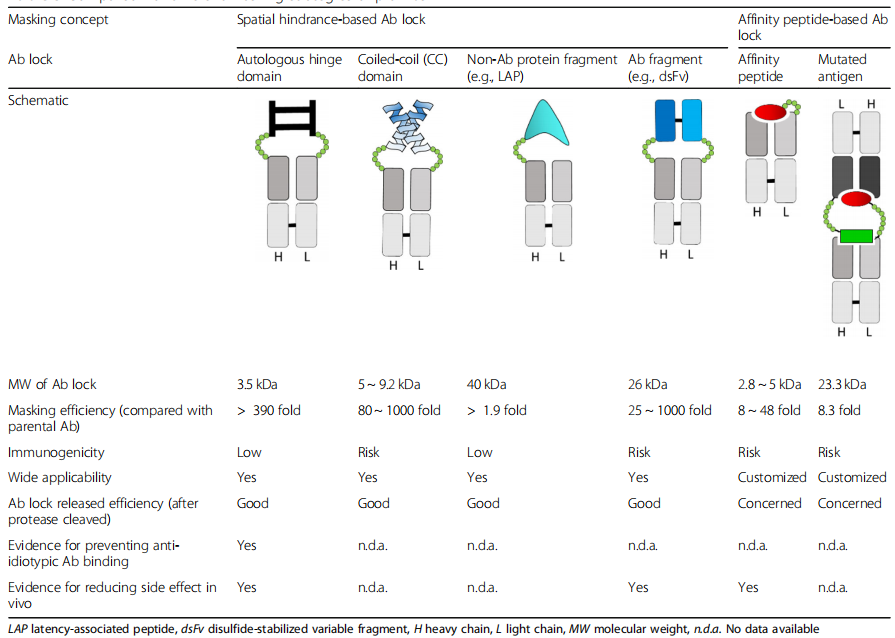
Figure 1.Comparison of different masking strategies of pro-Abs.[1]
2. Major Technological Approaches to Masking Peptide Engineering
Current masking peptide technologies can be broadly categorized into two mechanistically distinct
strategies according to how the masking module suppresses antigen recognition.
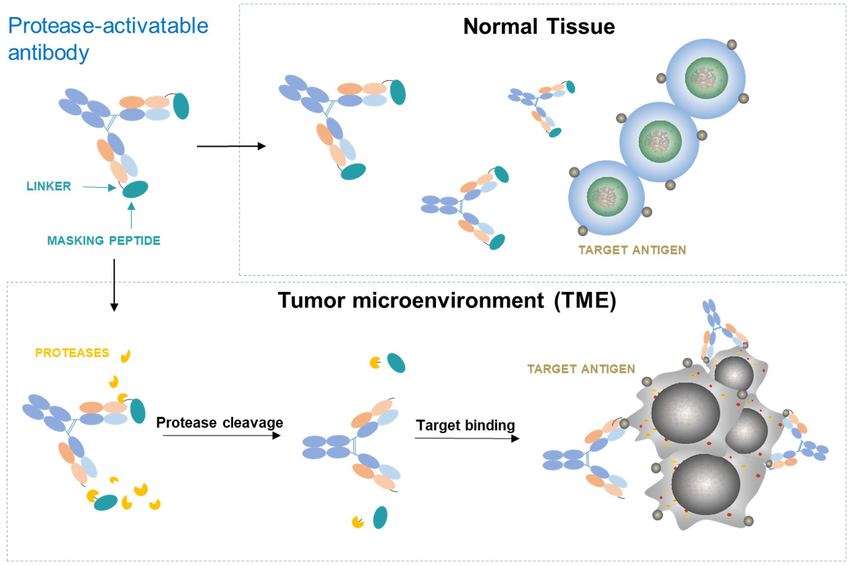
Figure 2. Mechanism of Tumor-Specific Activation of Masked Antibodies. During systemic circulation and in normal tissues, extracellular protease activity remains low, allowing the protease-cleavable linker to remain intact while the masking module prevents productive target engagement. Upon entry into the tumor microenvironment, tumor-associated proteases selectively cleave the linker, resulting in removal of the masking module and restoration of antigen binding and downstream effector functions.
2.1 Steric/Conformational Masking
Steric masking exploits the dynamic spatial shielding generated by large flexible polymers or polypeptides. Rather than directly competing with antigen binding, these masking domains function as a molecular "umbrella," creating steric hindrance and conformational constraints that prevent productive interactions between the antibody and its target.
Representative Platform: Vir Biotechnology / Amunix — PRO-XTEN®
The PRO-XTEN® platform employs XTEN, an intrinsically disordered polypeptide composed primarily of naturally occurring hydrophilic amino acids. Owing to its exceptionally large hydrodynamic radius, XTEN generates dynamic steric shielding that effectively covers either the CD3-binding arm or the tumor-targeting arm of a T-cell engager (TCE), thereby maintaining the molecule in a functionally silent state during systemic circulation.
To date, PRO-XTEN® represents one of the most clinically advanced masking technologies for T-cell engagers targeting solid tumors.
① Platform versatility:Unlike competitive masking strategies, PRO-XTEN® does not require precise interaction with a specific complementarity-determining region (CDR). Consequently, the XTEN masking module can theoretically serve as a plug-and-play platform adaptable to a wide range of monoclonal antibodies, bispecific T-cell engagers, and cytokine therapeutics without extensive molecule-specific engineering.
② Extended circulating half-life:The large hydrodynamic size of XTEN reduces renal clearance, prolonging systemic exposure and increasing the probability of tumor accumulation prior to protease-mediated activation.
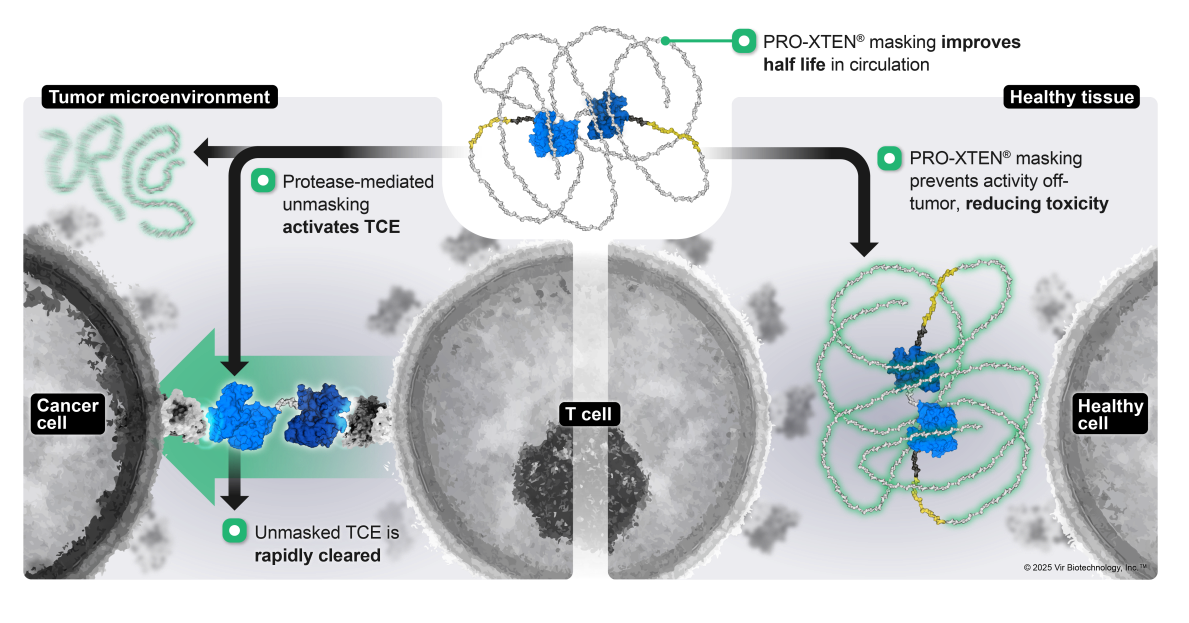
Figure 3. Key Components and Advantages of the PRO-XTEN® Platform. The XTEN masking domain provides steric shielding while simultaneously extending systemic half-life, allowing sufficient time for tumor accumulation before protease-dependent activation. Because its mechanism is independent of target-specific CDR recognition, the platform offers broad applicability across multiple therapeutic modalities.
Representative Platform: Adagene — SAFEbody®
SAFEbody® utilizes a protease-cleavable masking peptide identified through yeast-display screening to physically shield the antigen-binding interface rather than competitively occupying it with high-affinity interactions. This design maintains antibody inactivity throughout systemic circulation while enabling selective activation within the tumor microenvironment.
Representative Platform: Xilio Therapeutics — ATACR and SEECR
Unlike purely steric masking approaches, Xilio's ATACR platform integrates steric shielding with affinity engineering to further stabilize the masked conformation and minimize premature activation.
The next-generation SEECR platform expands this concept by incorporating co-stimulatory signaling domains, enabling conditional activation of both primary T-cell signaling and co-stimulation within the tumor microenvironment.
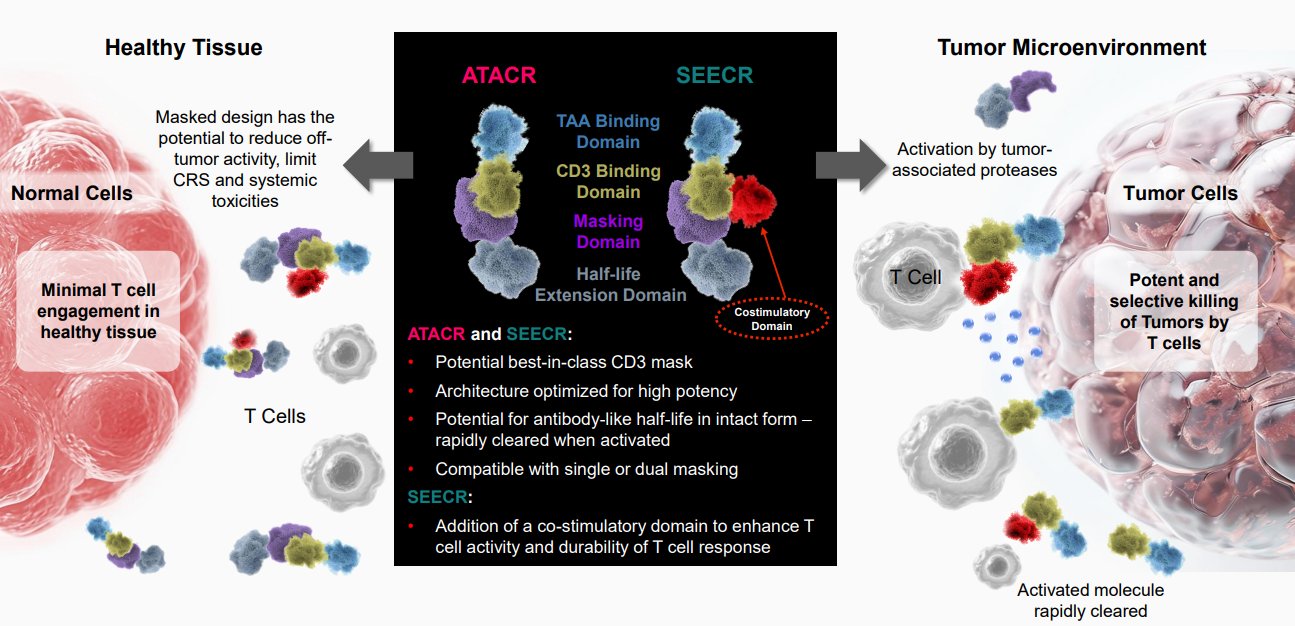
Figure 4. Xilio Therapeutics ATACR format and SEECR format.
Other Platform: Antengene — AnTenGager®
Unlike conventional masking peptide technologies, AnTenGager® does not rely on protease-cleavable masking peptides. Instead, it employs a proprietary 2+1 bispecific antibody architecture comprising two disease-associated antigen (DAA)-binding arms and one CD3-binding arm. The CD3-binding domain remains sterically shielded until both DAA-binding arms simultaneously engage tumor-associated antigens, thereby enabling conditional T-cell activation exclusively at the tumor site.
① Proprietary CD3-binding sequence recognizing a unique CD3 epitope
② T-cell activation occurs only following dual DAA-mediated crosslinking
③Reduced risk of cytokine release syndrome (CRS) and the hook effect while maintaining potent antitumor activity
Other Platform: AccuBody®
The AccuBody® platform primarily relies on steric shielding generated by high-hydrodynamic-radius masking domains such as the proprietary xLONG polypeptide. In addition, neutralizing antibody fragments (e.g., VHH domains) can be incorporated to establish a multilayer masking mechanism.
Dual masking strategy
Unlike many previously reported TCE prodrug platforms, AccuBody® achieves simultaneous masking of both functional arms without requiring separate masking peptides.
For example, its lead molecule DR510 (EGFR × CD3 T-cell engager) incorporates a single VHH masking domain that simultaneously stabilizes the anti-CD3 scFv through non-covalent interactions while sterically occluding the EGFR-binding Fab, thereby achieving dual functional silencing of both antigen-binding domains.
2.2 Competitive Active-Site Masking
Competitive active-site masking employs protease-cleavable peptides, cyclic peptides, or engineered protein domains that directly and reversibly occupy the antibody antigen-binding site at high local effective concentrations. Mechanistically, these masking elements function similarly to removable competitive inhibitors.
① Highly specific and potent inhibition
Because the masking module directly occupies the antigen-binding interface, competitive masking generally achieves exceptionally efficient suppression of antibody activity. In some reported bispecific antibody systems, inhibition exceeding 300,000-fold has been demonstrated.
②Molecule-specific optimization
Unlike steric masking platforms, competitive masking typically requires the identification and optimization of a unique masking peptide for each antibody, resulting in a more customized development process.
Representative Platform: CytomX Therapeutics — Probody®
The Probody® platform employs bacterial peptide-display libraries to identify masking peptides that specifically recognize the complementarity-determining regions (CDRs) of individual antibodies, enabling highly selective and potent inhibition while preserving antigen-binding capability following protease-mediated activation.
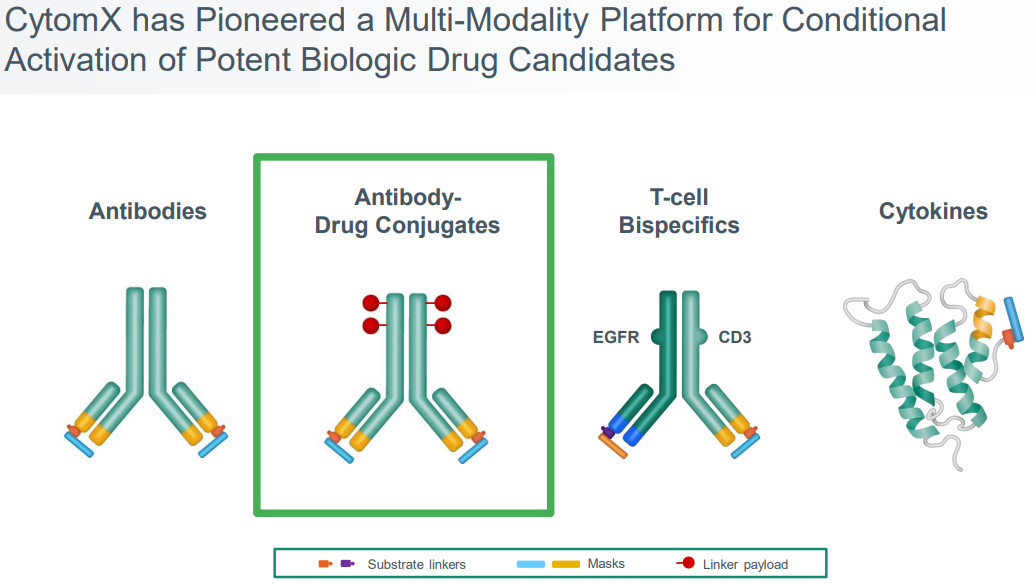
Figure 5.The Probody® platform is compatible with diverse biologic modalities, including monoclonal antibodies, ADCs, T-cell engagers (TCEs), and cytokine therapeutics.
Representative Platform: Janux Therapeutics — TRACTr & TRACIr
The engineering principle underlying TRACTr and TRACIr involves covalent attachment of an optimized protease-cleavable masking peptide directly to the CD3-binding scFv (TRACTr) or CD28-binding scFv (TRACIr). By precisely regulating immune synapse formation, these platforms are designed to minimize systemic cytokine release syndrome while preserving robust antitumor efficacy.
To further extend systemic exposure, one masking domain additionally incorporates an albumin-binding domain (ABD) connected through a tumor protease-cleavable linker, thereby enhancing pharmacokinetic performance without compromising tumor-selective activation.
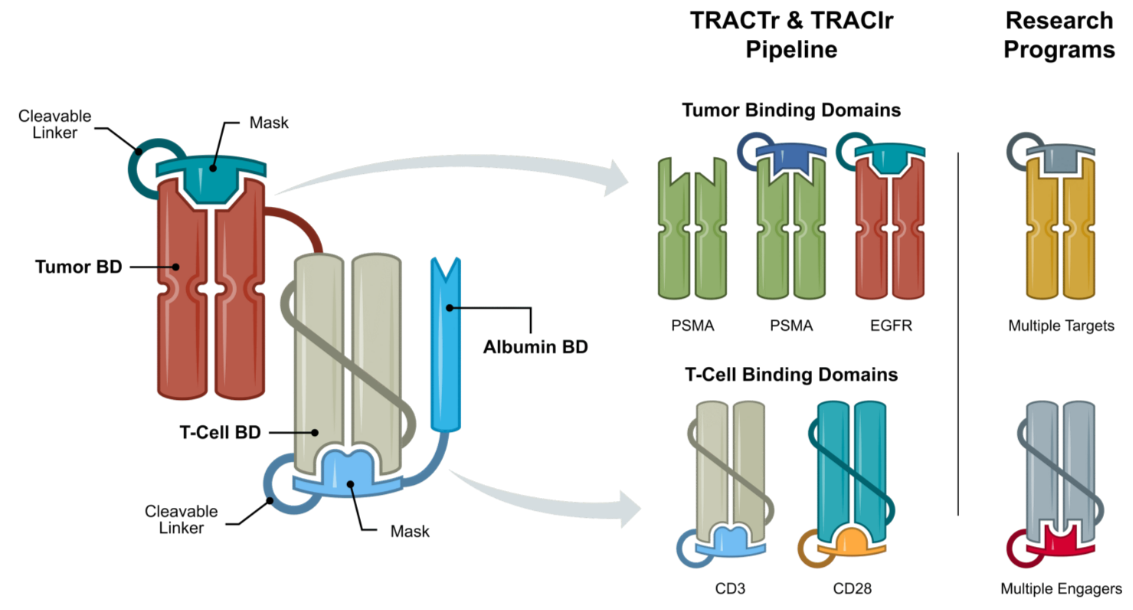
Figure 6. Architecture of the TRACTr and TRACIr Platforms. TRACTr molecules comprise a tumor antigen-binding domain linked to a CD3-binding domain, whereas TRACIr molecules combine a tumor antigen-binding domain with a CD28 co-stimulatory domain, enabling tumor-restricted activation of both primary and co-stimulatory T-cell signaling.
3. Application Landscape
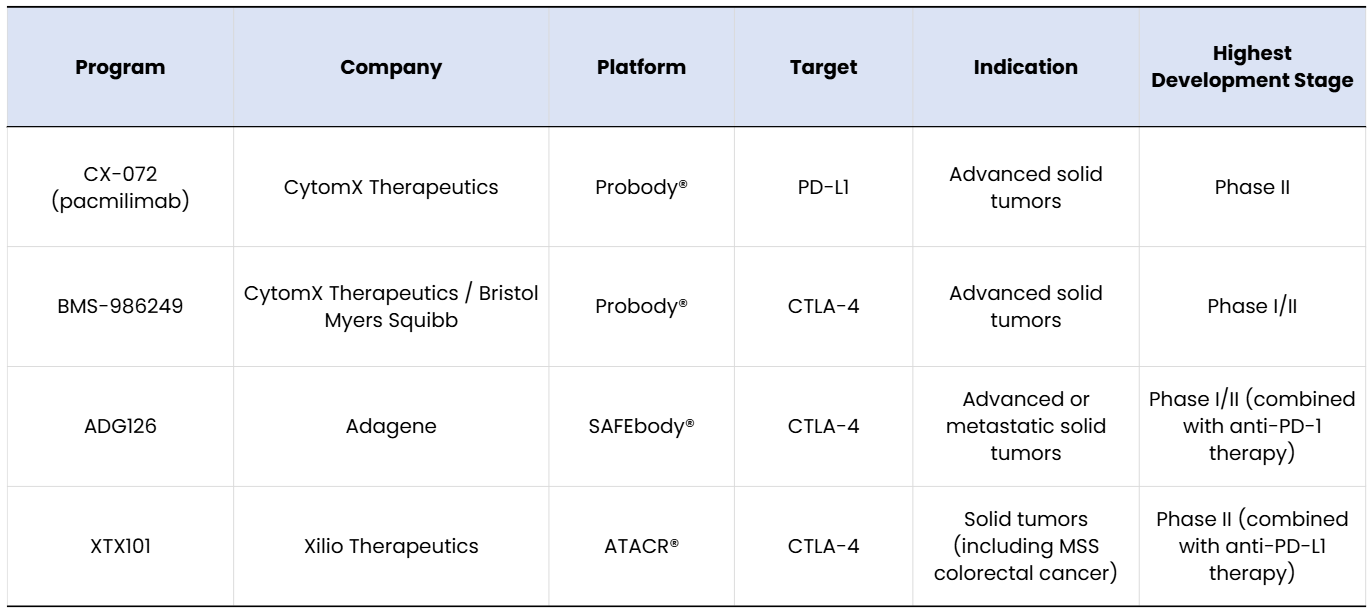
Based on publicly available clinical data and industry reports, antibody therapeutics incorporating masking peptide or prodrug technologies are currently being developed across several major therapeutic modalities, including immune checkpoint inhibitors (ICIs), T-cell engagers (TCEs), antibody-drug conjugates (ADCs), and cytokine therapeutics. The following sections summarize representative development programs categorized by therapeutic application.
3.1 Immune Checkpoint Inhibitors
Conditional masking technologies have been widely applied to immune checkpoint inhibitors to suppress systemic target engagement, thereby reducing immune-related adverse events (irAEs) while preserving—or potentially enhancing—antitumor activity within the tumor microenvironment.
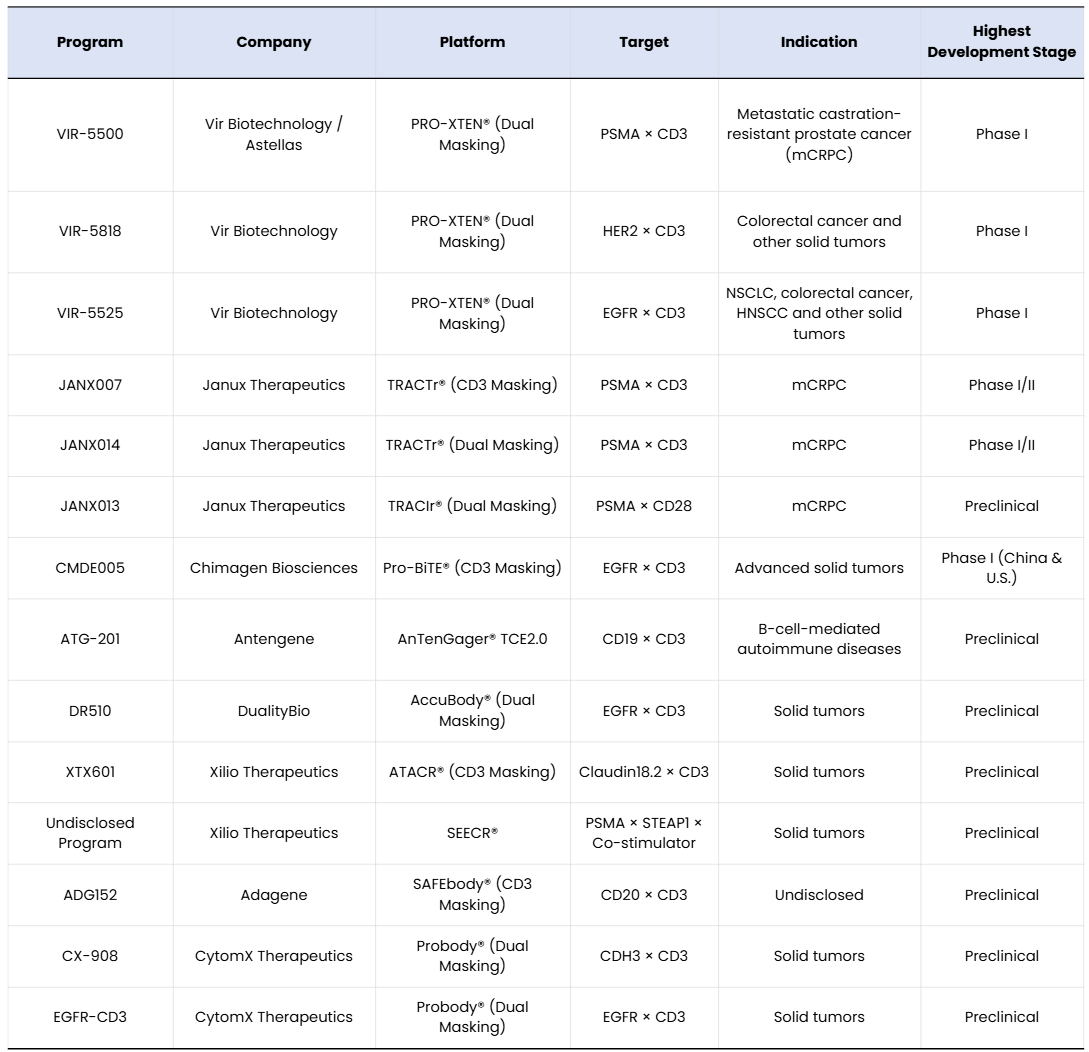
3.2 T-Cell Engagers (TCEs)
T-cell engagers represent the most active and rapidly advancing application of masking technologies. These approaches are designed to overcome the major limitations of conventional TCEs, particularly severe on-target, off-tumor toxicity and systemic T-cell activation associated with solid tumor treatment.
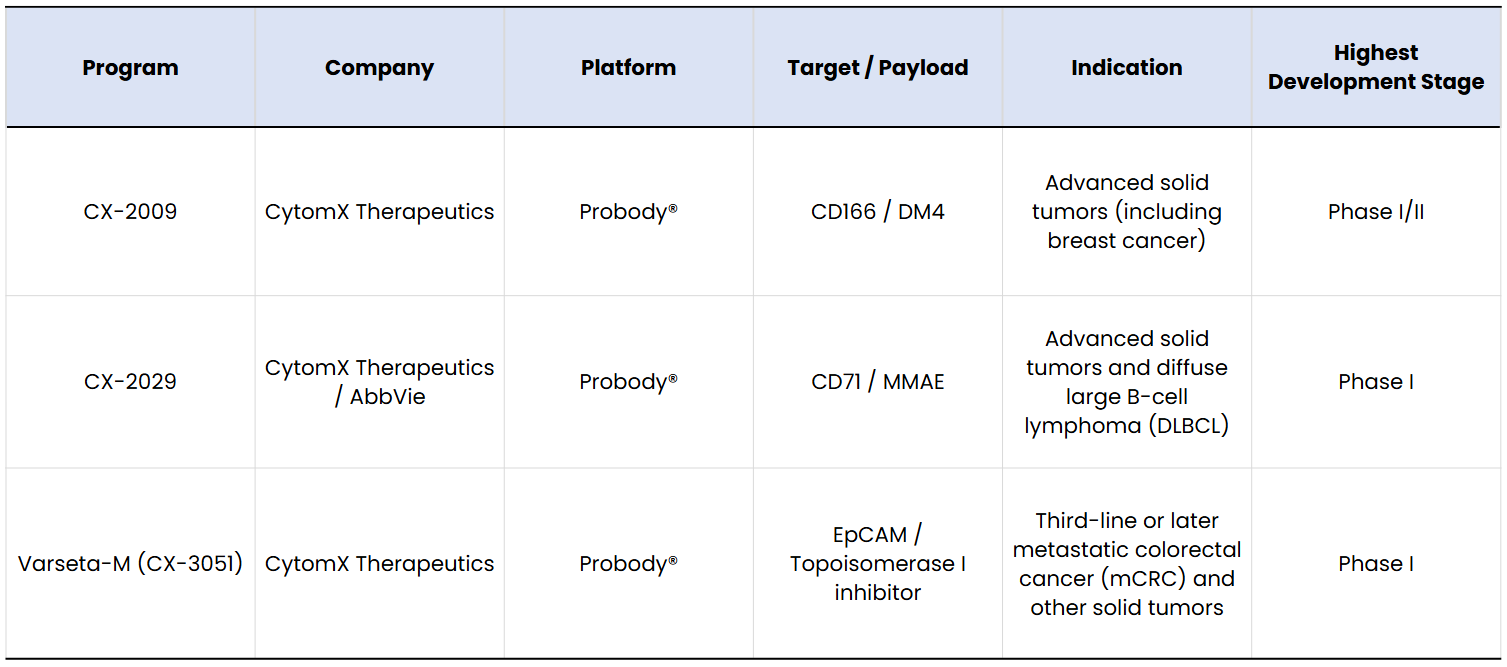
3.3 Antibody–Drug Conjugates (ADCs)
Compared with T-cell engagers, ADCs have historically shown a less urgent need for conditional activation because tumor selectivity is partially achieved through targeted payload delivery. However, as the ADC field has become increasingly characterized by payload convergence, target accessibility has emerged as a key differentiating factor.
Consequently, masking technologies are evolving beyond toxicity mitigation to enable therapeutic exploitation of high-risk targets that were previously considered unsuitable for conventional ADC development.
3.4 Cytokine Therapeutics
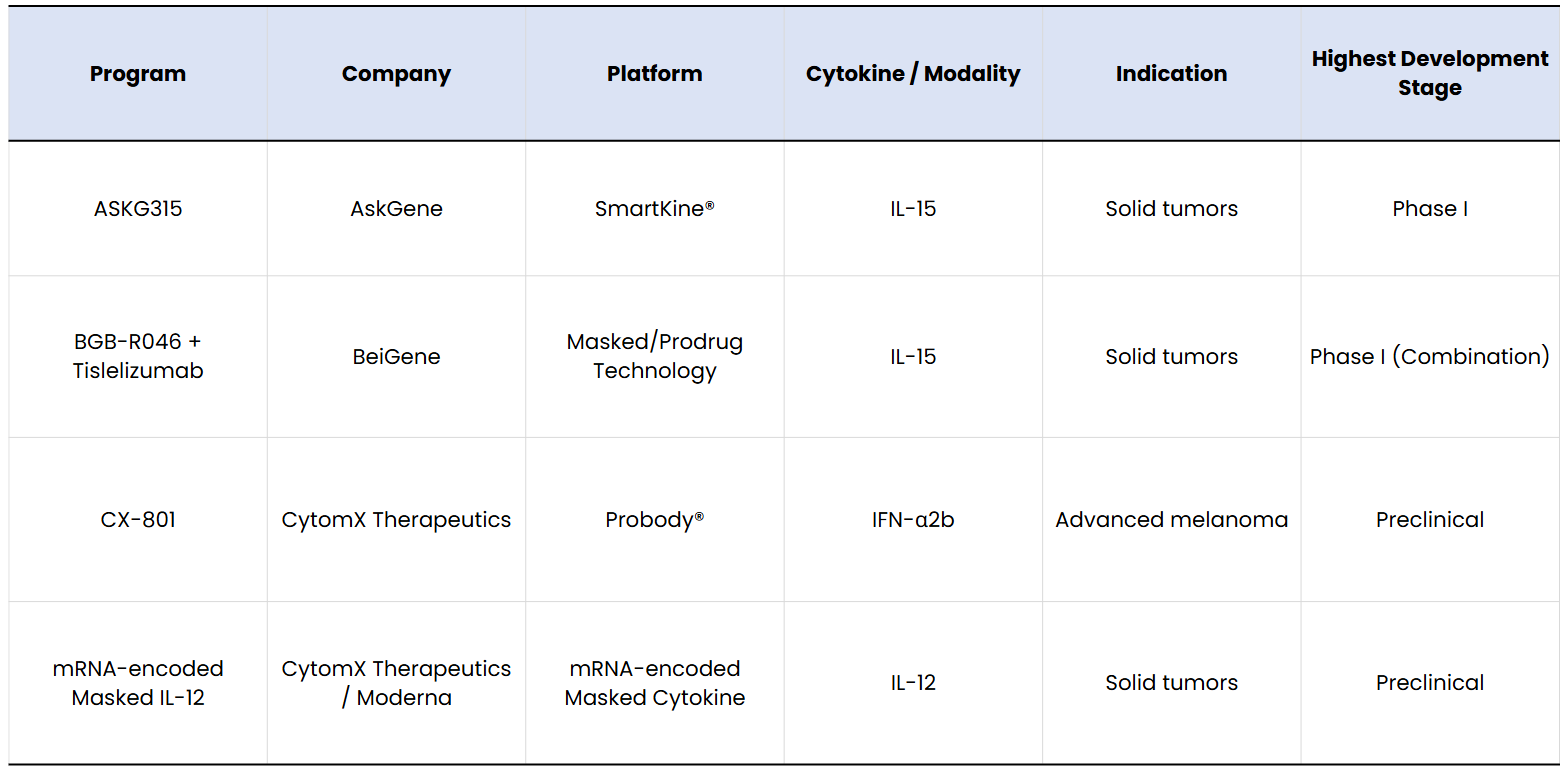
Among all conditionally activated biologics, cytokines present perhaps the greatest engineering challenge because of their potent systemic immune amplification. Even minimal systemic activation can induce severe inflammatory toxicity.
Accordingly, cytokine masking systems require substantially higher masking efficiency than ADCs. Their primary objective is to achieve tumor-localized cytokine activation, thereby preserving antitumor immune activity while minimizing systemic toxicities associated with cytokines such as IL-2, IL-12, and IFN-α, ultimately broadening their otherwise narrow therapeutic window.
NBbiolab Masking Peptide Discovery Services
High-affinity masking peptides are fundamental to the successful development of conditionally activated therapeutics.
NBbiolab provides a yeast display-based peptide discovery platform for rapid identification of high-affinity masking peptides. Combining high-diversity peptide libraries, iterative selection, next-generation sequencing (NGS), and bioinformatics analysis, we offer an integrated workflow from library design and screening to candidate validation, accelerating the discovery and optimization of next-generation conditionally activated biologics.
References
[1]. Ab Locks for Improving the Selectivity and Safety of Antibody Drugs. DOI: 10.1186/s12929-020-00652-z.
[2]. Antibody Prodrugs for Cancer. Expert Opinion on Biological Therapy. DOI: 10.1080/14712598.2020.1699053.
[3]. Probody Therapeutics: An Emerging Class of Therapies Designed to Enhance On-Target Effects with Reduced Off-Tumor Toxicity for Use in Immuno-Oncology. Clinical Cancer Research. DOI: 10.1158/1078-0432.CCR-19-1457.
[4]. Pipeline information was compiled from publicly available sources, including company websites, conference presentations, and corporate disclosures.
Next:
Antibody Humanization: From CDR Grafting to AI-Driven Multi-Objective Optimization



 Yeast Display VHH Discovery Service
  Immunogen Design & Production
  Premade Library Screening
  Phage Display Nanobody Discovery Service
  Animal Immunization
  Yeast Display Peptide Library Screening
 Nanobody Discovery for ADC
  Nanobody Discovery for Membrane Targets
  Nanobody Discovery for Cell Therapy
  TCR-Mimic Nanobody Discovery

 Antibody Affinity Maturation Service
  Nanobody Humanization Service